Building Resilient Supply Chains in Uncertain Times
Global disruptions—from raw material shortages to logistics breakdowns—have exposed how fragile most manufacturing supply chains really are. Businesses that relied on single-source vendors, manual tracking, or ad-hoc procurement were hit the hardest.
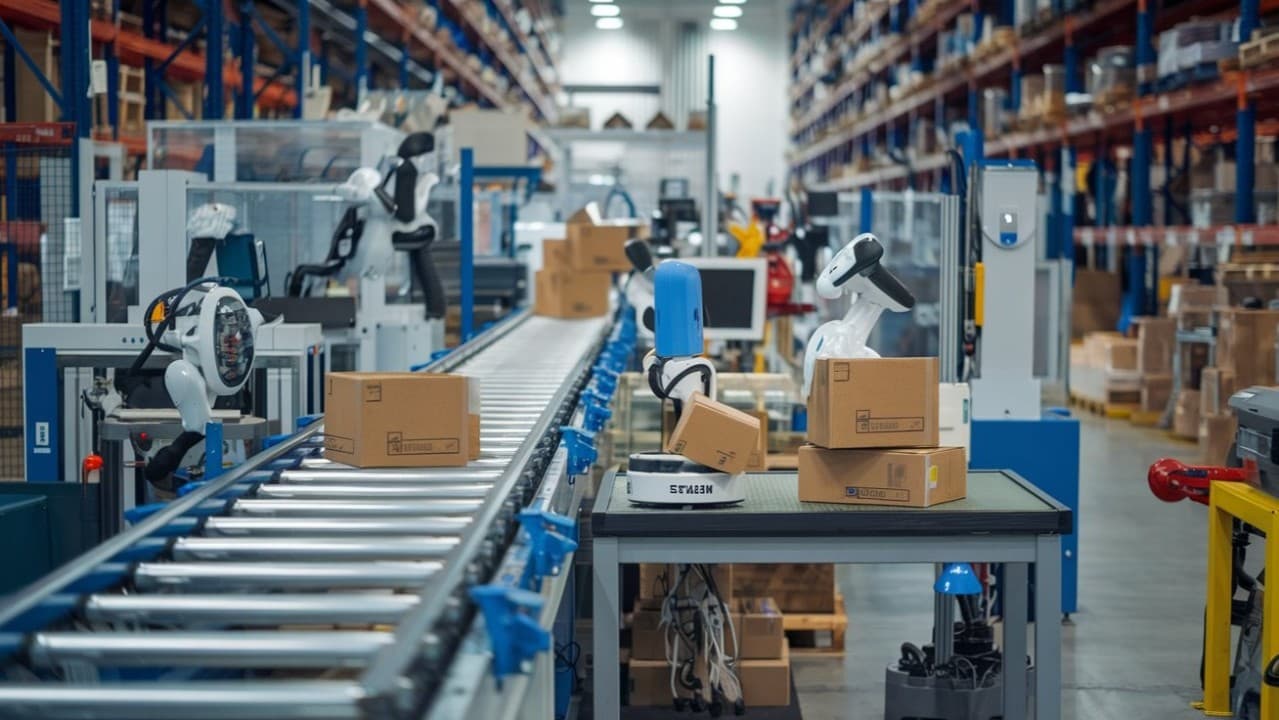
Key vulnerabilities include:
- Over-reliance on a single vendor or geography
- No real-time visibility into order status or inventory levels
- Manual procurement processes that can't adapt quickly
- Lack of data to anticipate demand shifts or price changes
Building resilience doesn't mean adding complexity—it means building smarter systems.
A resilient supply chain requires:
- Diversified and pre-vetted vendor networks
- Automated reorder triggers based on consumption data
- Centralised procurement with full audit trails
- Real-time analytics to flag risks before they escalate
When supply chains are digitised and data-driven, manufacturers can respond to disruptions in hours instead of weeks. Procurement stops being reactive and becomes a competitive advantage.
The factories that invest in intelligent procurement infrastructure today will be the ones that stay operational—no matter what the market throws at them.